The Acting Class Exercise That Starts With Folding a Shirt
A room full of performers has been given an ordinary task: fold a shirt and put it in a bag. No music plays. Nobody has been told to cry, shout or reveal a secret. At...
Training
Browse acting advice, audition tips, training articles, industry guidance, actor lifestyle stories and film reviews.
A room full of performers has been given an ordinary task: fold a shirt and put it in a bag. No music plays. Nobody has been told to cry, shout or reveal a secret. At...
Training

A striking image appears online: a lone figure on a cliff, a title in bold letters and the promise of a thriller. It looks like an advertisement for a finished film. In...
Industry & Career
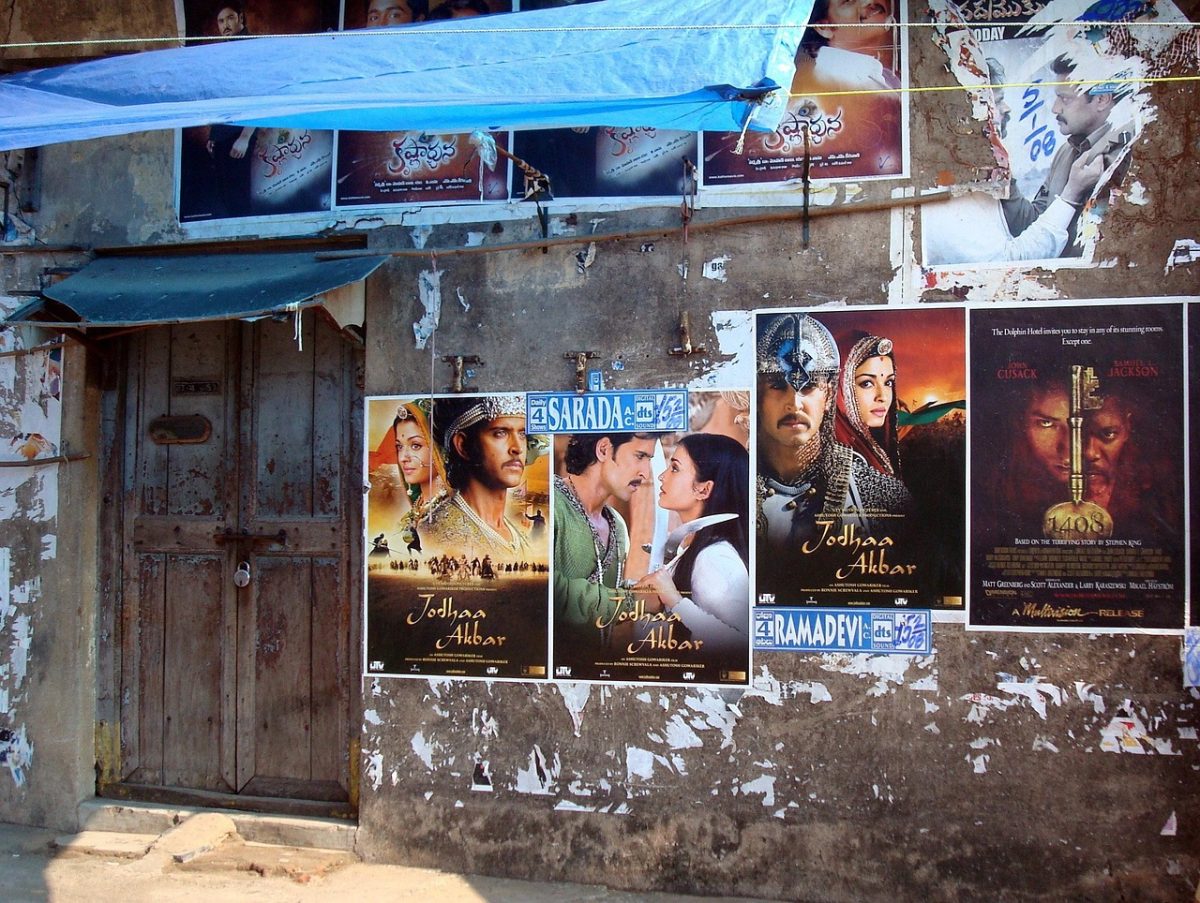
You find a role that feels unusually well suited to you. The age range fits, the description sparks ideas and the dates appear manageable. Then you see four words that...
Audition Tips

The audience has taken its seats. Backstage, the company is ready for the evening show. Somewhere in the building, an understudy may have spent weeks learning a role...
Industry & Career
There is a particular moment when a page of dialogue starts to feel less like a puzzle and more like a conversation. For some performers, that moment arrives while...
Acting Advice

A scene ends with a character reading a letter. The actor opposite has already filmed their coverage, delivered their lines and moved on to another setup. Now the camera...
Screen Acting
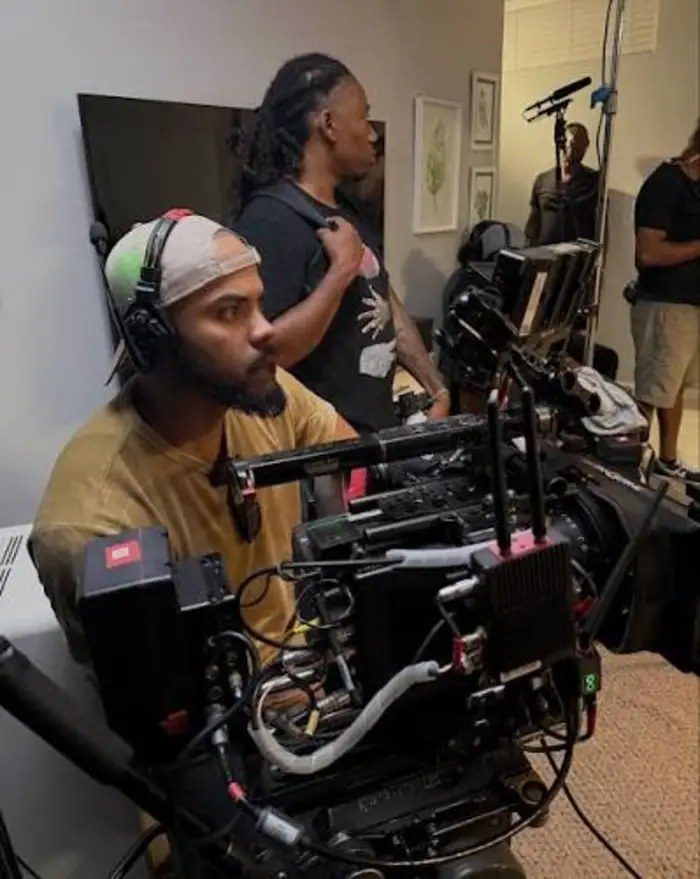
At six o'clock on a Saturday morning, a residential street begins to change. A van parks near the corner, crew members carry equipment towards a house and temporary...
Industry & Career

A camera is ready, the lights are set and an actor is waiting beside a garden gate. The next part of the scene depends on a dog running happily towards them. The trainer...
Industry & Career

Imagine a birthday scene in which an actor has to take a generous bite of cake before delivering a line. The first take is delightful: soft sponge, plenty of icing, no...
Screen Acting

You have been invited to audition and the material arrives: two short scenes, a character description and a handful of pages lifted from a much longer script. A...
Audition Tips

Your character wants to leave, but the scene lasts another four pages. That is useful. If they could simply walk out, there would be no scene. The acting lives in the...
Screen Acting

Your character gets the job, receives the offer or hears that the test result is clear. The obvious direction is happiness. That is also where performances can become...
Screen Acting

A phone call ends. The character has just received devastating news. The script says very little: perhaps they sit down, perhaps they say “Okay.” For an actor, the...
Screen Acting

A character listens to an offer, says very little and eventually answers, “I'll do it.” The decision may appear to occur on that line, but often the interesting moment...
Screen Acting

A floorboard creaks somewhere upstairs. Your character stops. The camera stays on them while the source remains unseen. Suddenly the actor has to create a relationship...
Screen Acting

A line lands and your character does not understand it. Actors often respond with a familiar expression: slight frown, narrowed eyes, perhaps a head tilt. It...
Screen Acting

A good interruption can make scripted dialogue feel startlingly alive. A bad one feels like two actors demonstrating overlap. The difference is simple: before an...
Screen Acting

“Think.” It is one of those directions that can make an actor suddenly aware of their forehead. Eyes narrow, gaze drifts upward and the face announces mental effort. The...
Screen Acting

Few things are easier to fake than an awkward pause. Stop speaking, look uncomfortable and wait. The ingredients appear to be there, yet the result often feels strangely...
Screen Acting

A character begins telling a story and your character has heard it ten times. This creates a peculiar acting problem. You cannot react as though the information is new,...
Screen Acting

Some of the most interesting scenes begin after the obvious drama has finished. Two characters argued last night. Now it is morning and one of them asks whether there is...
Screen Acting

The script tells you that your character is hiding something. Immediately, almost everything becomes tempting: avoid eye contact, hesitate before answers, become...
Screen Acting

A character enters their own kitchen after learning that their partner has been lying to them. Nothing in the kitchen has changed. The table is where it always was, the...
Screen Acting

A detective opens a drawer and finds a photograph. A daughter spots an unfamiliar coat in her father's hallway. A commuter looks through a train window and suddenly...
Screen Acting

Actors are used to thinking about what the camera can see. When the lens moves behind you, it can feel as though the performance has temporarily disappeared. Your eyes...
Screen Acting

There is a particular habit that appears in auditions, self-tapes and scenes with remarkable frequency: the listening nod. The other actor speaks and the performer gives...
Screen Acting

Watch yourself during an ordinary conversation and your hands will probably do things you never planned. They hold a mug, scratch an eyebrow, fold, unfold, point, tap,...
Screen Acting

A director says, “Cross to the window on that line.” Suddenly an ordinary walk becomes one of the least ordinary things imaginable. You become aware of every step. You...
Screen Acting

Actors spend enormous amounts of time working on lines, but the most revealing part of an exchange may occur just before a line begins. A question arrives. The character...
Screen Acting

A silent character is still making choices. That sounds obvious, yet actors often become strangely inactive when another person has the dialogue. They wait for their...
Screen Acting

A script calls for an actor to discover a forgotten scientific journal in a locked cabinet. The journal must look decades old, contain a diagram important to the plot...
Industry & Career

A clock is easy to overlook until the plot depends on it. In a thriller, a character may have seven minutes to prevent a disaster. In a family drama, a wall clock might...
Industry & Career

A chef character can be established by costume and dialogue, but a close-up of their hands may expose an unconvincing performance. Professional cooks organise their work...
Industry & Career

Modern films regularly ask audiences to read stories through phones, laptops and tablets. A single message may reveal a betrayal, establish a deadline or send a...
Industry & Career

Recreating a lost city begins with imperfect information. Maps may show the street plan while photographs reveal only a few buildings. Diaries describe noise, smells and...
Industry & Career

A film set can be full of material created by people who are not part of the production. Paintings hang on walls, magazines sit on tables, music plays in a café and a...
Industry & Career

Every room has an acoustic identity. A kitchen hums with refrigeration, a hallway carries distant footsteps, and an apparently empty bedroom may contain the soft...
Industry & Career
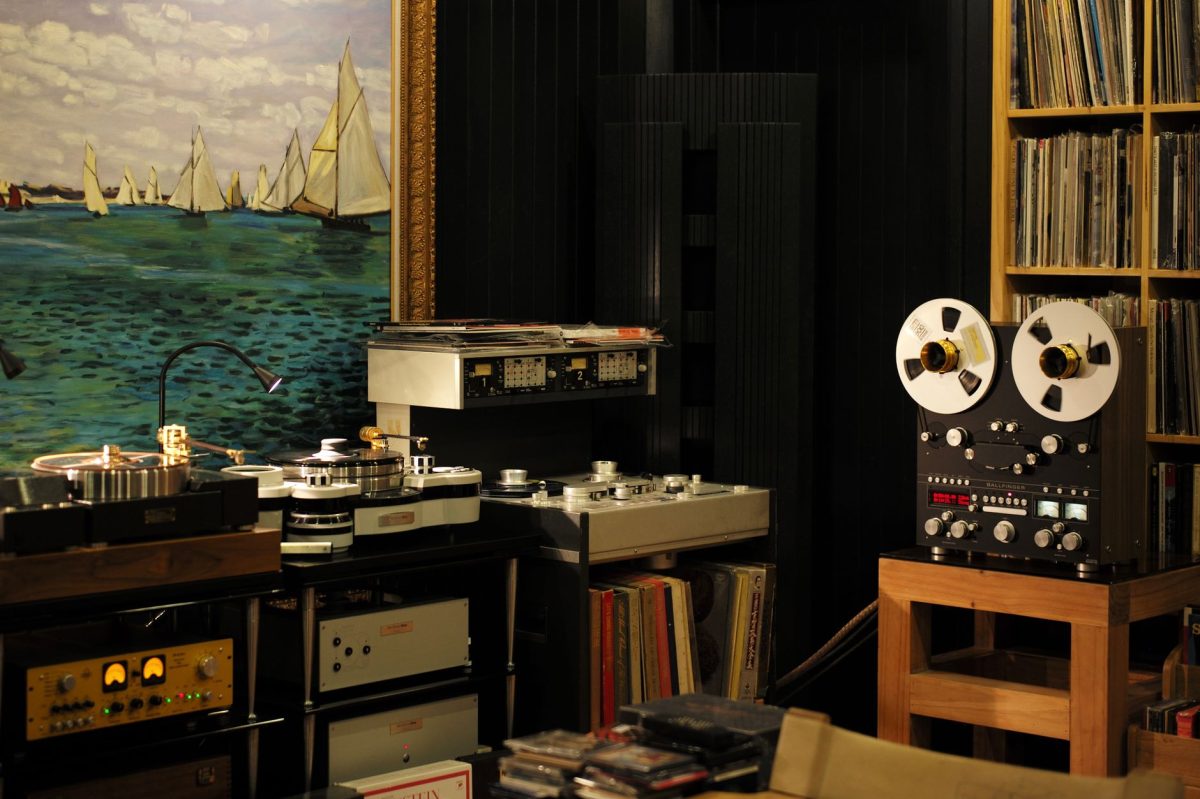
An actor is cast as a left-handed architect, but the actor has written with their right hand since childhood. In a wide shot, that difference may seem insignificant....
Industry & Career

A director imagines a character crossing a lush garden in early summer. The script specifies climbing roses, long grass and a narrow path leading to an old house. The...
Industry & Career

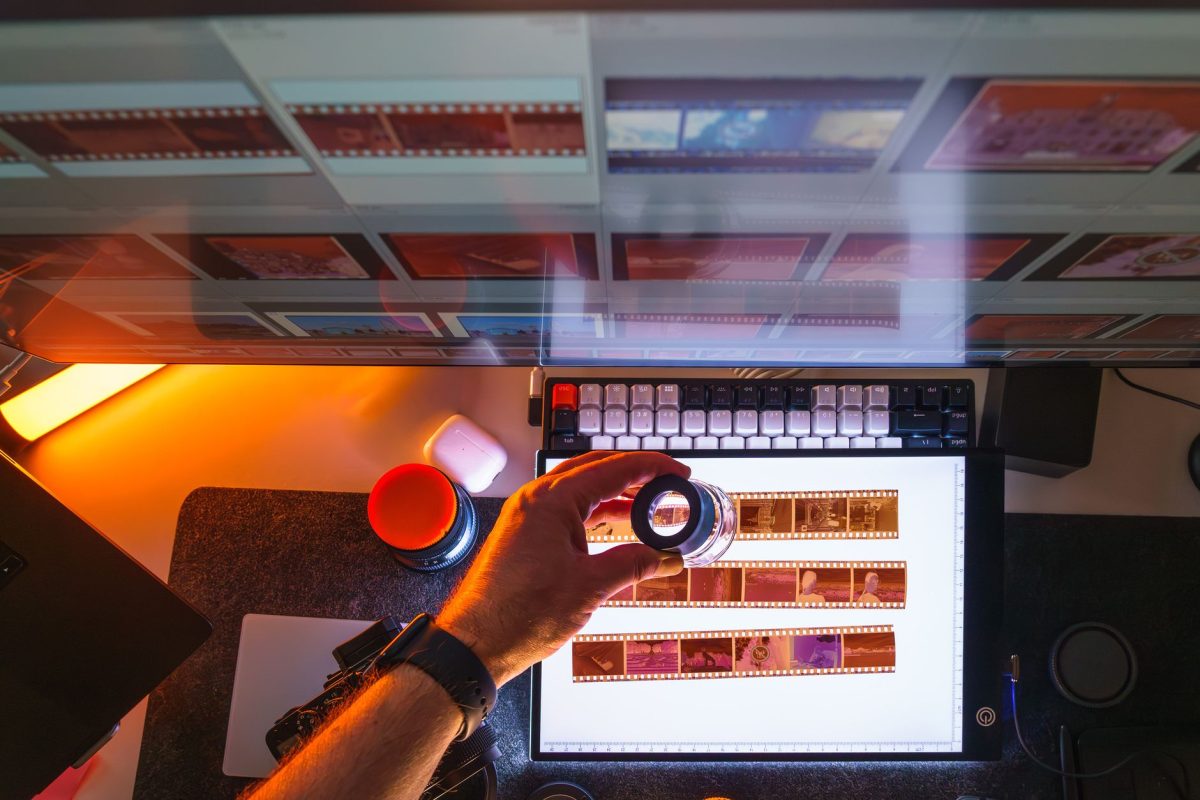
Before a film could be delivered as a digital file, a completed edit existed as a sequence of decisions that had to be transferred onto the original camera negative. The...
Industry & Career
A character enters a room without saying a word. The camera follows them past a table, another actor glances up and the scene changes. On the page, the instruction may...
Industry & Career

The lead actor needs a quiet route from makeup to the set. A delivery driver has arrived at the wrong entrance, and a neighbour wants to know why a street is full of...
Industry & Career

The envelope arrives beneath a character's door. The camera sees a handwritten address, then the actor opens it and reads a sentence that changes the course of the...
Industry & Career

The wall is an unremarkable shade of green until the director asks for a change. It needs to look older, then warmer, then as though a family has lived beside it for...
Industry & Career

The first flash appears beyond the hills while the camera crew is still arranging a shot. On screen, the scene is supposed to take place on a glorious summer afternoon....
Industry & Career

A character appears for only a few seconds. We see their hands repairing a delicate watch, their silhouette crossing a doorway or the back of their head as another...
Industry & Career

A film set can appear gloriously chaotic: rain machines start, costumes arrive and an entire street changes century before lunch. Behind that activity, somebody needs to...
Industry & Career
A cinema audience laughs at a line that seems completely ordinary to viewers in another country. The joke depends on a pun, a childhood television reference or a word...
Industry & Career

A scene may look spontaneous on screen while being carefully planned behind the camera. Two performers move closer, an embrace changes direction and a moment of apparent...
Industry & Career

On Friday evening, a production transforms a working office into a police headquarters. By Sunday night, the desks must be back in place, the walls must show no damage...
Industry & Career