by Jason
Actor | Writer | Caffeine addict
In the world of cinema, filmmakers are constantly pushing boundaries to create unique and immersive experiences for their audiences. One of the most challenging and captivating techniques is the one-shot film, where the entire movie is presented as a single, continuous take with no visible cuts or transitions.
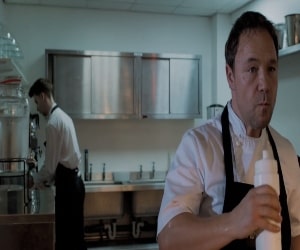
This method requires immense skill, meticulous planning, and seamless execution. Let's explore this fascinating technique through the lens of two remarkable films: Boiling Point (2021) and 1917 (2019).
The Immersive Power of One-Shot Films
One-shot films provide a continuous, unbroken view of the action, creating a sense of real-time immersion for the audience. This technique can heighten tension, enhance realism, and make viewers feel as though they are part of the scene, walking alongside the characters. The uninterrupted flow can build suspense and keep audiences on the edge of their seats, as there are no breaks to relieve the tension.
Producing a one-shot film is an extraordinary feat that demands a high level of coordination, precision, and creativity.