

Film Extra Jobs UK: How to Become a TV or Film Extra
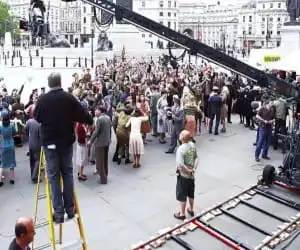
If you've ever watched a TV show or film and thought, “I could do that”, you're probably right. That's exactly how I started.
Becoming a film extra is one of the most realistic ways to get onto a professional set in the UK. It doesn't require training, an agent, or any inside connections. It does, however, require patience, flexibility, and a realistic understanding of what the job actually is.
This isn't a polished industry guide. It's what I've personally learned from actually doing film extra work — the good bits, the boring bits, and the parts no one really explains at the start.
What Is a Film Extra (and What Do You Really Do?)
A film extra, also called a background actor, is there to make scenes of film and TV feel real. You're populating space, creating atmosphere, and helping the main action look believable.
Most of the time, that means walking past cameras, sitting in cafes, standing in crowds, or pretending to work in offices. You're not speaking, improvising, or trying to stand out. In fact, the biggest rule of film extra work is doing the opposite: blending in.
I remember my first job clearly. Long day, early call time, loads of waiting around, and multiple costume changes. When it finally aired, I was on screen for mere seconds, and even then, I had to pause it to spot myself. But that day showed me how film sets actually function, and that alone made it worth it.
How to Become an Extra in a Movie or TV Show
One thing I wish I'd known earlier is how straightforward the process actually is. Most people get film extra jobs by registering on casting platforms or signing up with film extra agencies. You submit basic information, upload a clear photo, and apply for roles that match your look and availability. A big plus is that there's no acting auditions required to become a background artist, as your appearance is usually the key deciding factor over acting ability.
There's a common assumption that productions only want a certain “type” of person. In reality, they need everyone — different ages, body types, accents, and backgrounds — because that's what real life looks like. If you're reliable, available, and quick to respond, you're already doing most of the job.
Film Extra Jobs vs TV Extra Jobs
In day-to-day terms, film and TV extras work isn't wildly different, but there are some patterns. Film jobs often mean longer days and bigger sets, with a lot of waiting around. TV jobs tend to move faster and come up more often, especially on soaps and long-running series.
Personally, I found TV work good for learning how to stay focused through repetition, while film sets gave me a better sense of scale. Both are valid experience. Most jobs pay a standard day rate based on minimum wage for a set number of hours, with overtime after that. You can also earn more for things like night shoots, long days, period costumes, or specific requirements.
You won't get rich, but you are being paid to be part of a real production, and that still feels pretty surreal when you're new.
Do You Need an Extras Agency?
You don't need one, but they can help. Agencies submit people directly to productions and handle bookings, which can make things simpler. Some charge joining fees and only work in certain areas, which is something to be aware of.
A lot of people also find background actor jobs through online casting calls.
Extra work involves a lot of waiting. That's just part of it. You'll be told where to go, what to wear, and what to do, often repeatedly. Some days are calm, others are chaotic, but professionalism matters more than anything else. Crew notice the extras who turn up on time, listen properly, and don't complain. That reputation goes further than you might expect.
A Simple Checklist Before You Apply
If I were starting again, this is what I'd make sure I had sorted first, including a simple acting CV with no experience:
- One clear, natural photo with no filters or heavy posing
- Basic details ready: height, age range, and location
- Flexible availability, because last-minute bookings are common
- A realistic understanding that waiting is part of the job
- Comfortable clothes and shoes for long days
- Patience — genuinely important
Can Being an Extra Lead to Bigger Roles?
One thing that kept me going early on was realising how many big actors started exactly the same way. Brad Pitt did uncredited background work in the late 1980s, Margot Robbie worked as an extra on Australian TV before landing speaking roles, and Sylvester Stallone was famously a background performer before writing and starring in Rocky.
In the UK, Benedict Cumberbatch and Idris Elba both did background and small non-speaking work early on, just trying to get on sets and learn how things ran. Megan Fox appeared as an uncredited film extra before her breakout, Jason Statham did background and modelling work before being cast properly, and Harrison Ford worked around sets in small background roles while struggling to break in.
Even Orlando Bloom and Chris Pratt spent time taking whatever on-set work they could early on. Not everyone who does extra work becomes famous — most don't — but it's proof that starting small is normal, not a dead end.
Final Thought
Becoming a TV or film extra isn't glamorous, fast, or guaranteed, but it is real. For a lot of people, that first day on set is what makes the industry feel possible. It definitely was for me.